
In the world of modern construction, few materials offer the combination of thermal efficiency, structural strength, and installation speed that polyurethane sandwich panels provide. These advanced composite panels have become the preferred choice for projects ranging from industrial cold storage facilities to commercial buildings where energy performance is paramount. With their exceptional insulation properties and versatile applications, PU sandwich panels represent a significant advancement in building technology.
What Makes PU Sandwich Panels Exceptional
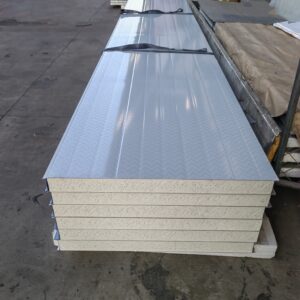
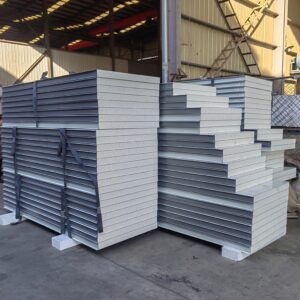
A PU sandwich panel consists of a rigid polyurethane foam core sandwiched between two layers of high-quality metal facings, typically pre-painted steel or aluminum. The polyurethane core is created through a chemical reaction that produces millions of tiny closed cells, each acting as a miniature thermal barrier. This cellular structure gives pu insulation panels their remarkable thermal efficiency, achieving thermal conductivity values as low as 0.022 W/mK—significantly better than most other insulation materials available today.
The closed-cell nature of polyurethane also means that pu insulation panels resist moisture absorption effectively. Unlike open-cell insulation materials that can become saturated and lose their insulating properties, polyurethane maintains its thermal performance even in high-humidity environments. This characteristic is particularly valuable for applications where consistent temperature control is essential.
Unmatched Performance for Cold Rooms
When it comes to temperature-controlled environments, the choice of building materials directly impacts operational costs and product quality. Cold rooms require insulation systems that can maintain precise temperatures while withstanding the thermal stress of frequent door openings and temperature fluctuations. PU sandwich panels excel in these demanding applications.
For cold rooms, the high thermal resistance of polyurethane means that refrigeration systems work less frequently and consume less energy. This translates to substantial cost savings over the lifespan of the facility. Additionally, the smooth, non-porous surfaces of pu insulation panels used in cold rooms are easy to clean and sanitize, meeting the strict hygiene requirements of food processing, pharmaceutical storage, and cold chain logistics operations.
The structural integrity of these panels also makes them ideal for cold rooms of any size. From small walk-in coolers to massive warehouse-scale refrigerated facilities, PU sandwich panels provide the dimensional stability required to maintain airtight seals and prevent thermal leakage at panel joints.
A Premier Choice Among Building Materials
In the broader context of construction, PU sandwich panels have earned their place among the most versatile building materials available today. As building materials, they offer advantages that traditional construction methods simply cannot match. A single panel provides structure, insulation, vapor barrier, and finished interior and exterior surfaces—replacing what would otherwise require multiple trades and layers of materials.
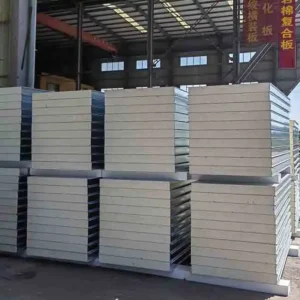
The speed of installation sets these building materials apart from conventional alternatives. Factory-engineered to precise specifications, PU sandwich panels arrive on site ready for installation. Large sections can be erected in a fraction of the time required for masonry or stick-frame construction, allowing projects to be completed faster and with reduced labor costs. This efficiency makes them particularly attractive for developers and contractors working on tight schedules.
Key Advantages Across Applications
Superior Thermal Efficiency: The exceptionally low thermal conductivity of pu insulation panels means thinner panels can achieve the same insulation values as thicker alternatives, maximizing usable interior space while minimizing energy consumption.
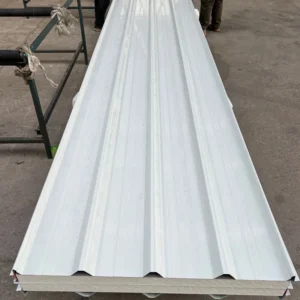
Versatility: These building materials are available in a wide range of thicknesses, profiles, and finishes. Whether used for freezer applications requiring extreme insulation or for architectural facades demanding aesthetic appeal, PU sandwich panels can be customized to meet specific project requirements.
Durability: The metal facings provide excellent resistance to impact, corrosion, and weather exposure. When used for cold rooms, the panels maintain their performance properties even under continuous operation at sub-zero temperatures.
Hygienic Surfaces: The seamless, non-absorbent surfaces of these panels prevent bacterial growth and are easily cleaned, making them ideal for food processing facilities, medical storage, and other environments where sanitation is critical.
Conclusion
For contractors, facility managers, and building owners seeking reliable building materials that deliver exceptional thermal performance and long-term durability, PU sandwich panels stand out as the superior choice. Whether your project involves constructing new cold rooms for a food distribution center or requiring high-performance pu insulation panels for an industrial facility, these panels provide the efficiency, strength, and reliability that modern construction demands. By selecting PU sandwich panels, you invest in a solution that reduces energy costs, accelerates construction timelines, and ensures consistent performance for decades to come.