
In the modern construction industry, finding materials that balance structural integrity with thermal efficiency is paramount. EPS Sandwich Panels (Expanded Polystyrene Sandwich Panels) have emerged as the gold standard for builders and architects looking to streamline projects without compromising on quality. Whether you are constructing a large-scale industrial warehouse or a modern residential extension, these panels offer a superior alternative to traditional masonry.
What Are EPS Sandwich Panels?
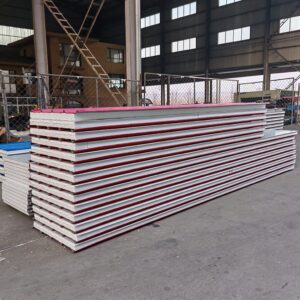
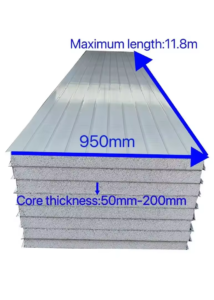
An EPS Sandwich Panel consists of three layers: a rigid core of high-density Expanded Polystyrene (EPS) sandwiched between two layers of durable metal, typically steel or aluminum. This “sandwich” structure creates a composite material that is incredibly strong yet lightweight. The closed-cell structure of the EPS core provides exceptional insulation, while the outer metal skins offer high resistance to impact, corrosion, and fire, depending on the coating applied.
Superior Applications for Roofing and Exteriors
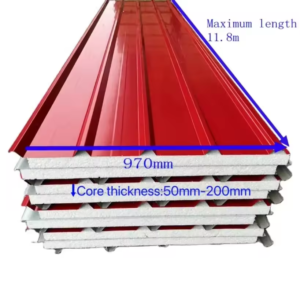
When selecting materials for the building envelope, the choice of roof sandwich panel systems is critical. Traditional roofing methods often require multiple layers of insulation, vapor barriers, and fasteners. In contrast, a roof sandwich panel combines all these layers into a single, one-step installation process.
For exterior cladding, the performance of panels outside the building must withstand harsh environmental conditions, including UV radiation, rain, and temperature fluctuations. EPS sandwich panels excel in these scenarios. When used as panels outside, they maintain their flatness without warping, resist moisture absorption, and contribute to a sleek, modern aesthetic. They are the preferred solution for cold storage facilities, clean rooms, agricultural buildings, and commercial complexes.
Key Benefits for Construction
-
Thermal Efficiency: The EPS core offers one of the lowest thermal conductivity values in the industry. Using a roof sandwich panel significantly reduces heating and cooling costs, ensuring energy savings for the lifespan of the building.
-
Speed of Installation: Because these components are prefabricated, they install up to 50% faster than conventional building materials. This speed reduces labor costs and allows facilities to become operational sooner.
-
Structural Integrity: Despite their lightweight nature, these Sandwich Panels offer high load-bearing capacity. When installed as panels outside, they act as a structural diaphragm, bracing the building against wind and seismic forces.
-
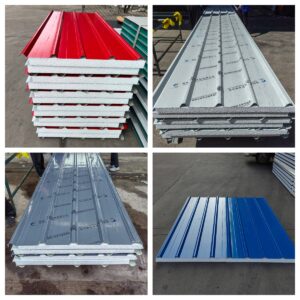
Versatility: Available in various thicknesses, widths, and color finishes, Sandwich Panels can be customized to meet specific architectural designs and insulation requirements.
Why These Panels Are Ideal for Exterior Use
The durability of panels outside a structure is constantly tested by nature. EPS sandwich panels are engineered to be water-resistant and non-corrosive. The metal surface acts as a continuous vapor barrier, preventing condensation from reaching the insulation core. This ensures that when you utilize these panels outside, the building maintains a stable internal environment, free from mold or structural decay.
Conclusion
For contractors and developers seeking a combination of speed, sustainability, and strength, EPS sandwich panels represent the future of construction. Whether you require a reliable roof sandwich panel to cover a large span or durable panels outside to create a striking facade, this material delivers unmatched performance. By choosing high-quality Sandwich Panels, you invest in a solution that guarantees long-term durability and energy efficiency for any project.